What Is a Firewood Processor? A Complete Guide for Commercial Buyers
Introduction
For anyone entering the commercial firewood business — or scaling an existing operation — the term "firewood processor" appears early and often. It is the central piece of equipment in any production-scale firewood operation. Yet for first-time buyers, the distinction between a firewood processor, a log splitter, and a sawmill is not always clear.
This guide explains what a firewood processor is, how it works, what components make it different from simpler equipment, and who benefits from owning one. No prior mechanical knowledge is assumed.
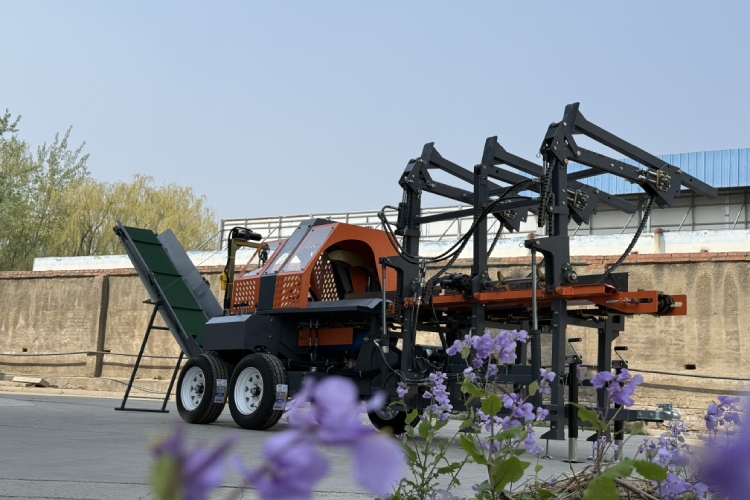
A firewood processor is a single machine that cuts logs to length, splits them into firewood, and discharges the finished product — combining sawing, splitting, and conveying into one automated sequence.
1. What Does a Firewood Processor Do?
A firewood processor performs three operations in sequence:
1. Cut to length: A chainsaw-style cutting head drops down and cuts the log at a preset length determined by an adjustable length stop. Common firewood lengths range from 8 to 24 inches (20 to 61 cm).
2. Split: The cut section is pushed by a hydraulic ram through a splitting wedge — usually a 4-way or 6-way steel blade — that divides the round into uniform pieces of firewood.
3. Convey: The split pieces fall onto a discharge conveyor belt that carries them away from the machine, into a pile or directly into a truck or bagging station.
A firewood processor is an integrated machine that automatically cuts logs to length, hydraulically splits them, and conveys the finished firewood — combining three standalone operations into one automated production cycle.
2. Key Components of a Firewood Processor
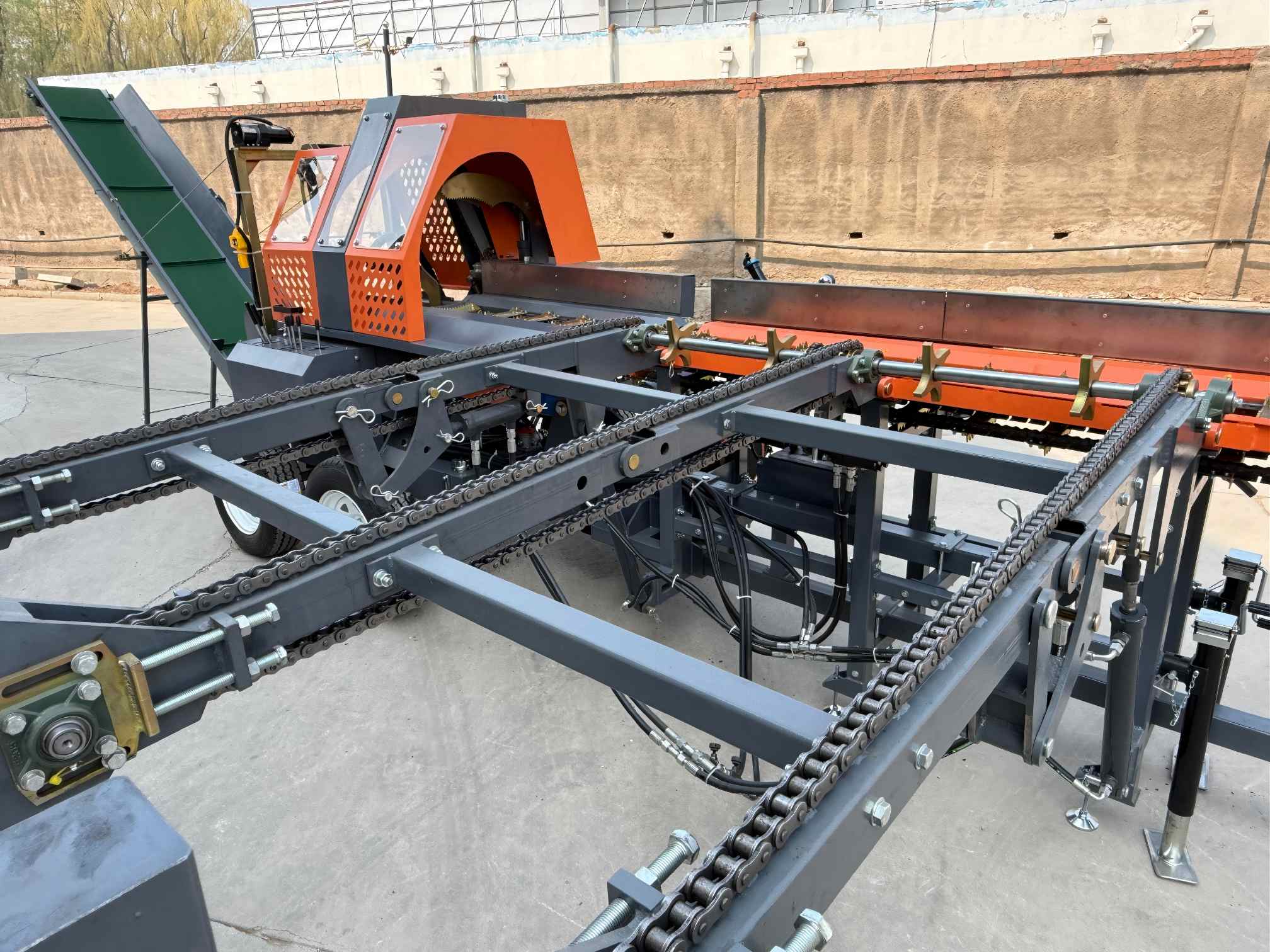
2.1 Log Infeed and Positioning
Raw logs are loaded onto an infeed tray or table. On basic models, this is done manually. On commercial processors, a hydraulic log lifter or a powered live log deck automates the loading, reducing operator fatigue and keeping the machine continuously fed.
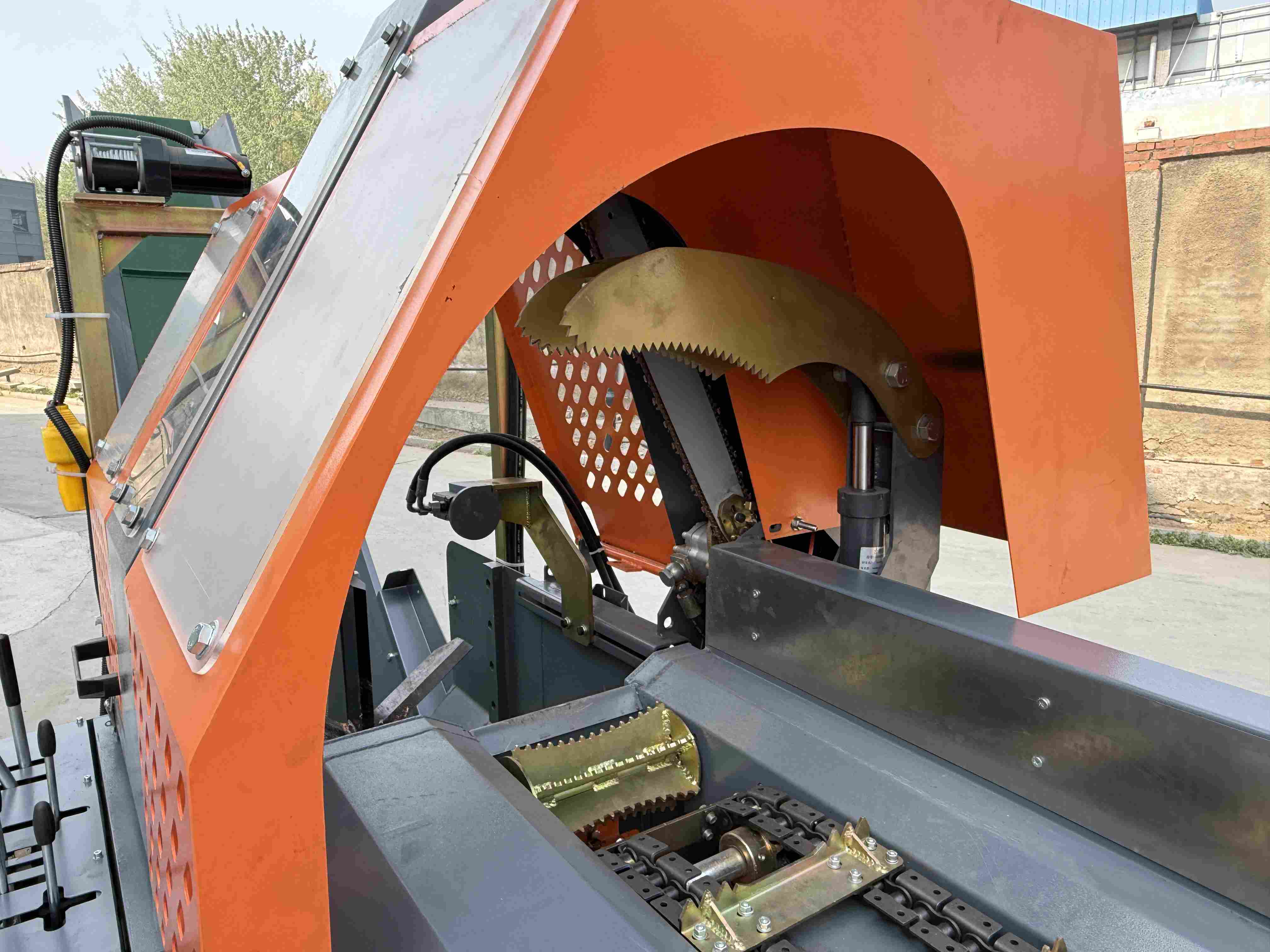
2.2 Sawing System
The cutting head uses a chainsaw bar and chain mounted on a pivoting arm. The cutting length is set by a mechanical stop positioned at the desired distance from the blade. On higher-specification machines, this stop is hydraulically adjustable from the operator station.
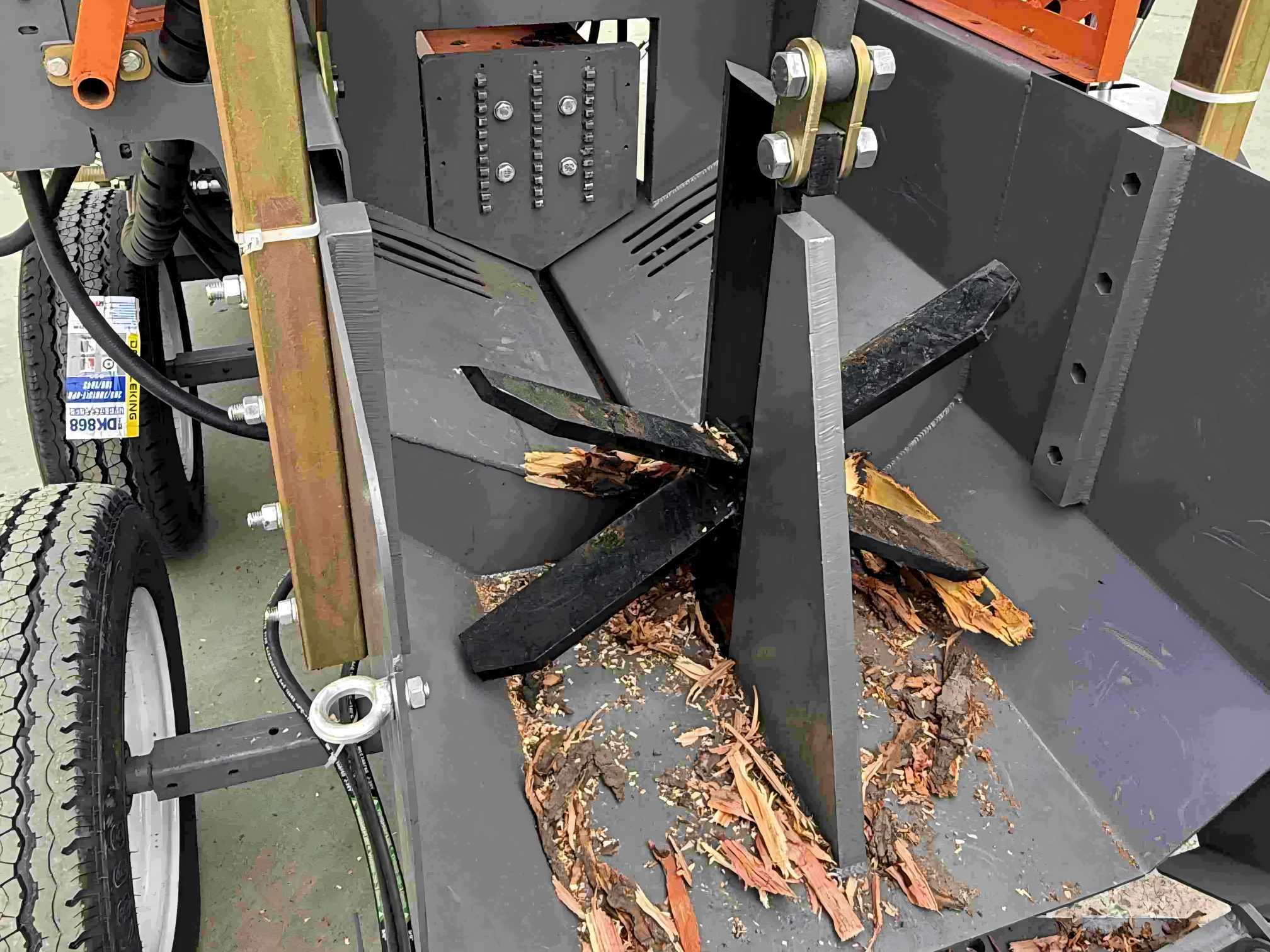
2.3 Splitting System
Once cut, the log section is pushed by a hydraulic cylinder into a stationary splitting wedge — configured as a 4-way or 6-way blade. The hydraulic system typically uses a two-stage pump: high volume for fast approach and return, high pressure for the actual split.
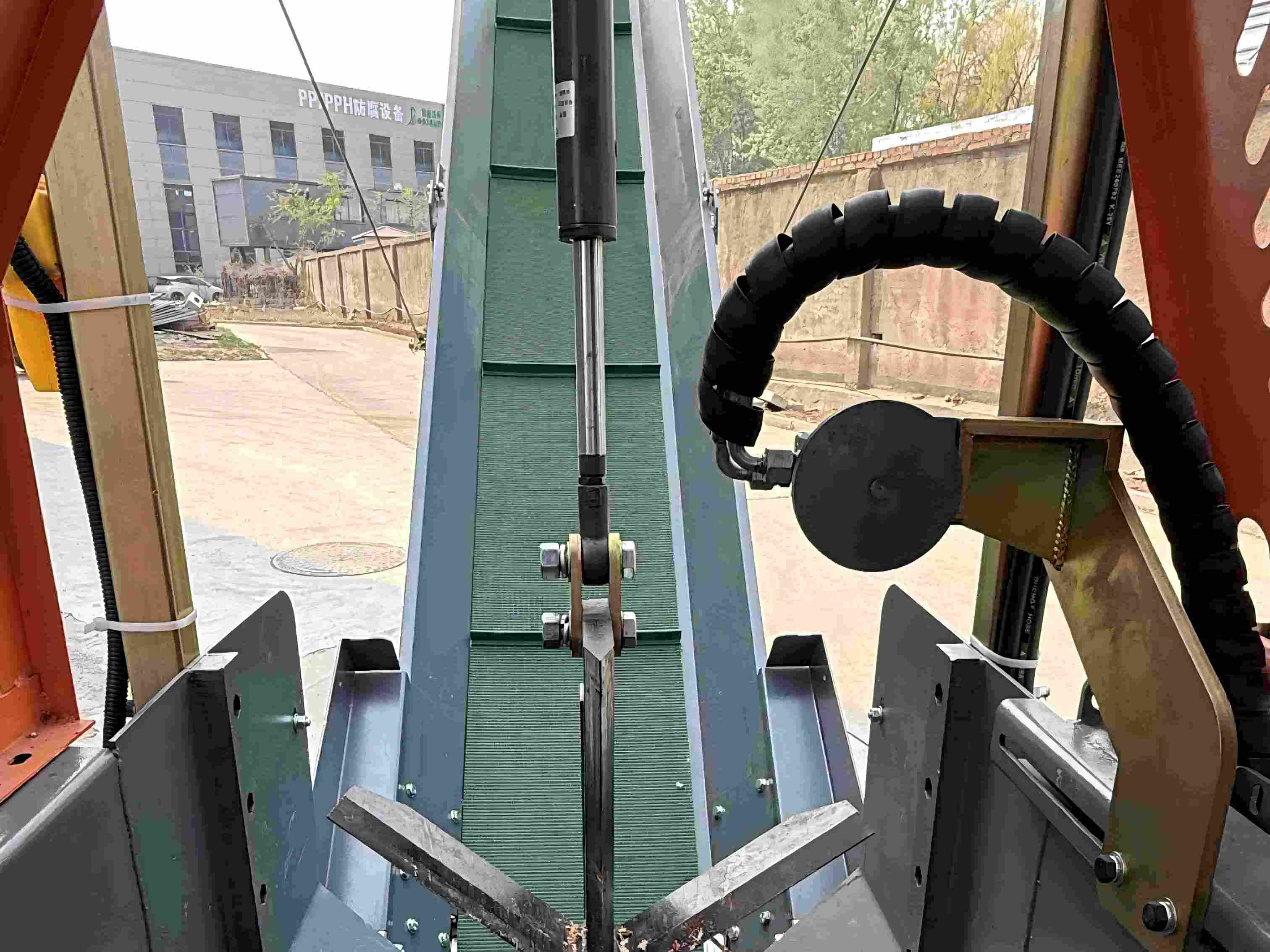
2.4 Discharge Conveyor
Split firewood exits onto a conveyor belt, usually made of galvanized steel or heavy-duty rubber cleats. On commercial machines, the conveyor can swing laterally — often 30 degrees left and right — allowing the operator to build multiple piles or load different vehicles without repositioning the machine.
2.5 Power Source
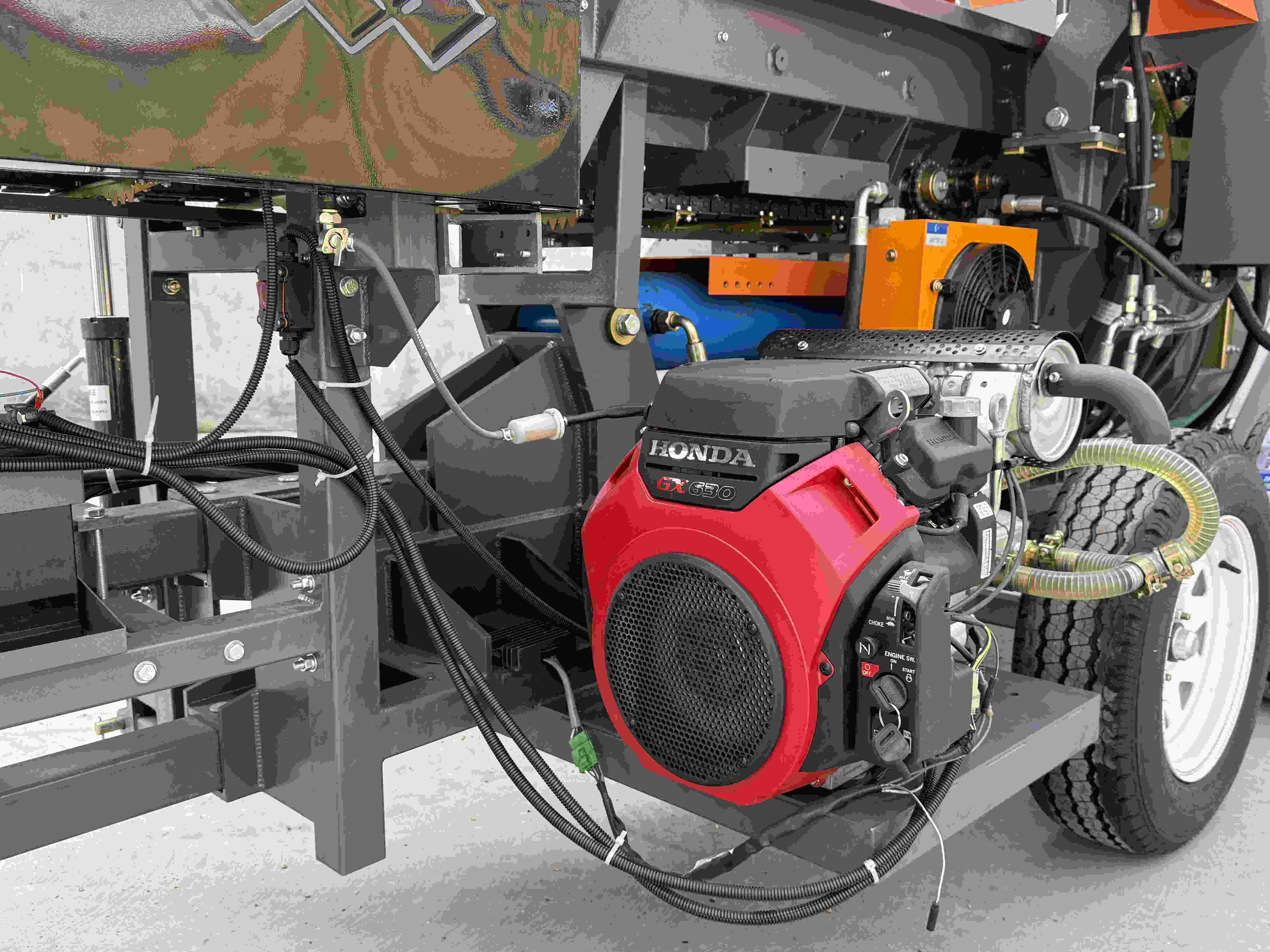
Firewood processors are available with gasoline engines, diesel engines, or electric motors. Gasoline is most common for mobile operations. Diesel offers higher torque and longer service life. Electric suits fixed-location operations with grid power access.
3. How a Firewood Processor Differs from a Log Splitter
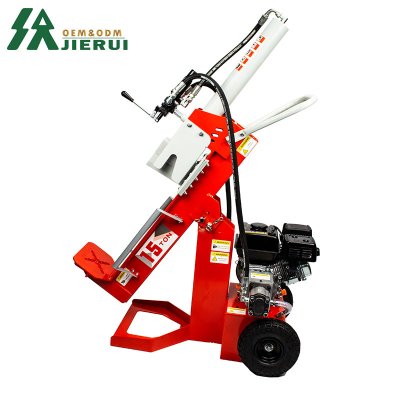
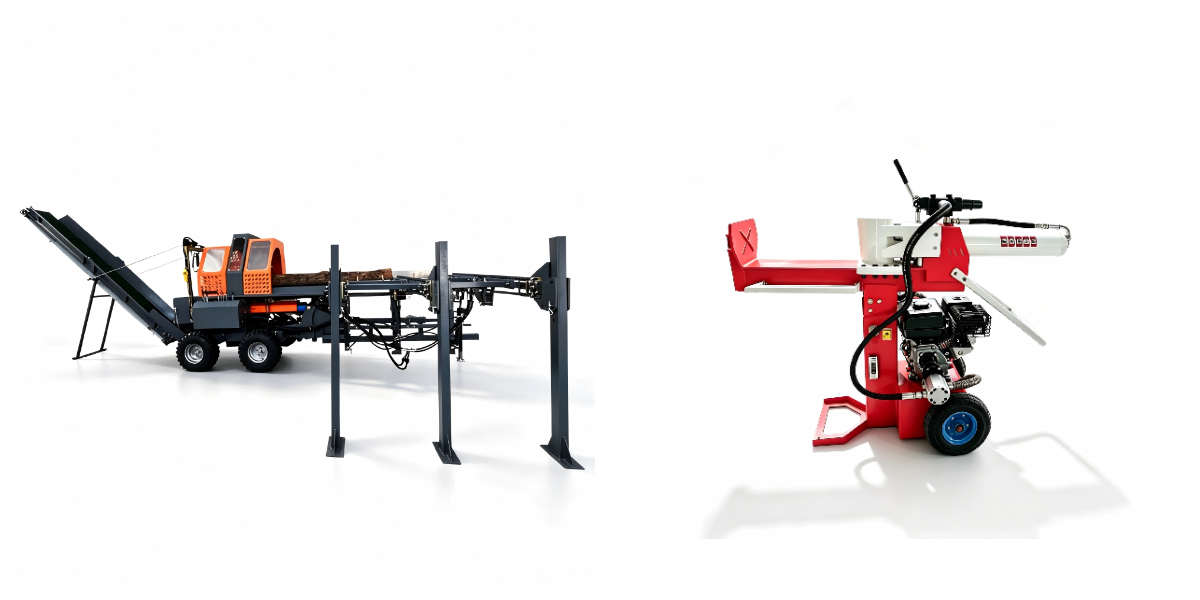
A log splitter does one thing: it splits a log that has already been cut to length. The operator must cut every log with a chainsaw beforehand, then manually position each piece on the splitter. A firewood processor cuts and splits in one machine, accepting full-length logs — typically 8 to 12 feet (2.4 to 3.7 meters) — and handling cutting, splitting, and conveying automatically.
4. Who Needs a Firewood Processor?
A firewood processor is the right equipment choice when:
• Firewood is a primary business activity, not a seasonal side task
• Annual production exceeds approximately 100 cords, at which point manual cutting becomes a labor bottleneck
• Multiple wood species are processed, including dense hardwoods requiring consistent splitting force
• The business sells by volume — by cord, cubic meter, or truckload — and throughput directly drives revenue
• Labor availability is limited or expensive, making automation a cost-effective substitute
5. What to Look for When Buying
Splitting force (tonnage): Entry-level 20–25T for softwood; commercial 35–45T for hardwood. Cutting system: Brand-name components like STIHL benefit from global parts availability. Hydraulic cooling: An auxiliary oil reservoir maintains stable temperatures for longer operation. Build quality: Galvanized components and powder-coated frames resist rust. Manufacturer support: Parts availability and technical support are as important as the machine specification.
6. FAQ
Q: How much does a firewood processor cost?
A: Pricing depends on splitting force, features, and power source. The relevant metric is cost per cord over the machine’s service life, not purchase price alone.
Q: Can one person operate a firewood processor?
A: Yes. Commercial processors are designed for single-operator use. With a powered log deck, one person manages the entire production line.
Q: Can a firewood processor handle frozen wood?
A: Higher-tonnage processors — typically 35 tons and above — are designed to split frozen hardwood. Frozen wood has increased fiber density, requiring more splitting force.
7. Conclusion
A firewood processor is an investment in production efficiency. For commercial producers and contractors with significant wood volume, it is the equipment that determines daily output, labor requirements, and profitability. The decision should be driven by production volume, wood species, and labor availability.
A firewood processor integrates log cutting, hydraulic splitting, and conveying into one automated machine — replacing separate chainsaw and log splitter operations and enabling single-operator commercial firewood production at scale.
Contact Jierui Machinery for firewood processor specifications, OEM configuration options, and export pricing.